Wednesday, 30 December 2015

Sugar Addiction


The white stuff may be the most common and primary addiction — a cycle that starts with a stressed brain, triggering further unhealthy eating. Breaking this vicious cycle starts with understanding it.

Sugar addiction is universally rampant and a leading cause of ill health and disease. Few people, however, realize that addiction to this dangerous substance is also at the root of other addictions as well — including alcohol, legal and illegal drugs, and even vices such as gambling, sex, shopping and working too much.

Most people with addiction issues tend to believe their personal compulsion or obsession is the worst of the world’s addictions. The fact is an addictive personality housed in the brain plays a primary role in the addictive process.

Feeding the brain with artificial rewards is a primary problem that must be addressed if addiction is to be properly remedied. The brain is influenced by lifestyle, which influences actions. In the case of addiction, this means seeking unhealthy habits that reward the brain.

The highly complex process goes something like this:

Physical, biochemical and mental-emotional stress affects the brain.
These stresses affect the body’s metabolism in an unhealthy way.
Stress leads to carbohydrate cravings.
Cravings can lead to disordered eating.
The use of drugs or actions that reward the stressed brain follows.
This leads to what is known as addiction.

As poor diet further impairs the metabolism, it usually increases body fat. (Those who don’t end up with increased body fat still have the metabolism of an overfat person.)
And the cycle continues . . .

Since the immediate and long-term influence of carbohydrate food can dramatically impact the brain, influencing the metabolism and cravings, stress and poor dietary habits are the two main factors that fuel the addiction cycle.

Addiction-cycle


Lifestyle Stressors

Drs. Rajita Sinha and Ania Jastreboff from Yale University School of Medicine have extensively reviewed the published research on this topic in “Stress as a common risk factor for obesity and addiction” in the journal Biological Psychiatry (May 2013), and the topic is also researched by other experts in this field.

My perspective is as a holistic healthcare fascilatator, with many years of helping people eliminate the causes of addictions is that Stress is almost always a key factor. It comes in many forms and often plays a key role in instigating the addiction cycle:

Physical stress such as muscle and joint problems, dental neglect, neck pain, foot problems, excess sitting, poor posture or gait.

Biochemical stress including hormone imbalance, digestive problems, poor diet and drug problems (excess alcohol or caffeine, nicotine, cocaine, etc.), prescription and over-the-counter drugs.

Mental-emotional stress can be seen in poor personal relationships with people both personally and professionally. This may be partially due to physical pain, brain injury, confusion or lack of understanding about one’s health, such as how best to eat or work out, and even understanding addiction.

The accumulation of stress adversely affects the brain, impairing metabolism, and causing abnormal blood sugar and insulin levels, leading to carbohydrate cravings. One common reward-seeking behavior is eating refined carbohydrates, AKA sugar. Eating these foods affects the brain’s reward center. Addiction follows, and if one does not address this key factor, the vicious cycle continues.

The process also leads to increased body fat, weight and BMI, adding to more disordered eating, and more stress. While some people reduce food intake as a result of stress, many people eat more, especially through added snacking on junk food.

Addressing addictions by removing secondary substances such as alcohol, nicotine or cocaine, while a positive step in the process, may not break the addiction cycle because the primary problems in the brain and metabolism that influence cravings and the need for rewards remain. Often, the person finds another addictive substance, or just continues rewarding the brain with sugar, maintaining addiction.

Let’s look at the addiction mechanism with a wider more detailed view.

Brain Overdrive

Mechanisms in the hormonal and nervous systems are responsible for the brain’s stress response. While this mechanism is intended to help us adapt, the ongoing driving stress can lead to disordered eating and addictive behavior, along with reduced immune function, chronic inflammation, impairment of glucose metabolism, and carbohydrate intolerance.

Some end-result signs and symptoms include:

Increased body fat.
Weight gain.
Fatigue.
Physical injury.
Pain.
Intestinal dysfunction.
Infections and other illness (e.g., allergies and asthma).
Increased hunger.
Cravings for sweets.
Poor sleep.
Hormone imbalance.
Metabolic syndrome.
Overtraining syndrome (in people who exercise).
When chronic, the process of disease development follows:
Diabetes.
Alzheimer’s.
Cancer.
Cardiovascular disease.
Associated conditions such as high blood pressure, stroke, high blood cholesterol and triglycerides, cognitive dysfunction such as memory loss, and poor quality of life.

Reward: Food

Food reward is a behavioral issue common with stress, with sugar singled out as the most common food. Continuing to consume it can maintain the vicious cycle with stress triggering a desire for a sweet reward, followed by addiction and more food stress.
Basically, as researcher’s Sinha and Jastreboff write, stress potentiates cravings for desserts and other carbohydrates. Stress also diminishes emotional, visceral and behavioral control, while increasing impulsivity and leading to greater use of reward.
In addition, it does not take long for the brain to learn the reward, with memory and emotional processes involved in negotiating behavioral and cognitive responses.
Sweet foods are rewarding, stimulating the brain’s reward pathways and, via learning and conditioning mechanisms, increasing the likelihood of seeking out more sugar, just like the incentive that draws people to drugs like alcohol, nicotine and cocaine. Studies show that those with higher body fat seek rewards more easily.
The clinical indications of these addiction patterns were evident many years ago, and the most effective approach in dealing with addiction for my patients — and me — was simple: Eliminate the sugar addiction first, then any and all other addictions to drugs or other issues would more easily be eliminated.

The Fix: Break the Sugar Addiction Cycle

It was not long ago that the mention of sugar addiction would be countered by questions such as, “what?” or, “where’s the research?”
Today, many clinicians, researchers and most others have jumped on the sugar addiction bandwagon with a new common question: “How do I know when my sugar addiction is gone?” Like other addictions, the short answer is simple: when sugar no longer controls you. More importantly, when addiction itself no longer controls you.

Others ways we know include:

When the sugar devil no longer can tempt you.
When you stop rationalizing that refined carbs are part of a healthy diet.
When you no longer believe that humans are glucose-dependent.
When you understand that sugar does not give you long-lasting healthy energy.
After reviewing some of the mechanisms behind the very common problem of sugar and other secondary addictions, here’s the key point: The remedy is simple — breaking the cycle. I don’t wish to oversimplify an emotionally painful and complex physiological condition, but this involves reducing stress, especially from the diet.

While individuality is important, in my experience there are two starting points:

The Stress List. 

This can help you organize your primary physical, biochemical and mental-emotional stresses in a way that begins the process of eliminating some, reducing others, and helping the body best adapt to those that remain.
The Two Week Test. Remove all sugar/junk food from the diet for 2 weeks. This helps break the stress cycle by reducing excess carbohydrate foods, addressing sugar addiction, and helping to learn intuitively how to individualize healthy eating habits.
By kicking your addiction to sugar and reducing other stress factors, you will be confronting the root of all addictive processes, which can lead to successfully giving up other bad habits and addictions as well.

This article is adapted from a blog written by a college of mine- Dr Phil Maffetone. Full accreditation goes to him.

Bone strength and function.


I know its popular, but taking calcium supplements is NOT one of them.

This is the time of year to care for bone health

Bone health is quickly becoming a concern for more and more people. Of course, with our aging  population of baby boomers, the number of people who will suffer the brittle bone disease of osteoporosis is already  skyrocketing, making hip replacements and orthopedic surgery a very busy and expensive profession. And just like everything else in healthcare, bone health is becoming less black and white. People are suffering more and more with little hope for healthy options to prevent the high cost of diseases like osteoporosis.
It is no longer simply about adequate calcium ingestion (actually, it never was; that was just successful marketing by the dairy industry). We’ve limited our attention to bone health to include only osteoporosis and the reduction of bone density. If you think the only people who have to consider bone health are menopausal women, you are sadly mistaken. New research is opening our eyes to more of what impacts bone health and total health. Our bones are incredibly complex organs, just as complicated as any other system in the body.

A recurring theme in my journey as a natural health care facilitator is the fact that we must expand our knowledge of how our body expresses health. This is because we live in a time where the number of environmental factors that interfere with us living a healthy life has reached a point of critical concern.

Our bones are responsible for so many seemingly unrelated functions. They provide critical feedback to our brain and nervous system, they help to regulate scores of hormones, and they are factories for our immune and blood cells. Therefore it stands to reason that diseases of bone like osteoporosis have consequences beyond brittle bones.

Bone health begins at birth and never stops until you die. Waiting until you are 60 years old and diagnosed with low bone density before you take action or consider bone health is like waiting for your first heart attack before you consider your heart health.
Bone health contributes to many things, from sports injuries in the professional athletes to the folks who just want to work out to be fit and healthy. Some examples:
Scoliosis
Chronic joint pain
Shin splints
Sever’s disorder of the heel and osgood schlatters of the knee (apophysitis)
Recurring injuries

Here are some little known facts about bone health.

Hormones that regulate energy production and  hunger, such as leptin, play a major role in bone health. Leptin resistance is a condition of abnormal energy production and storage that is seen in our modern world, too much refined carbohydrates, fizzy drinks, sweets, sugar and even so called ‘healthy’ complex carbs.

Decreased progesterone  and high oestrogen levels in all ages contributes to bone loss.(high levels of oestrogenic compounds from the petrochemical industry  in our atmosphere ‘mimics’ oestrogen in the body, raising oestrogen and lowering progesterone.) This is often not considered until menopause, but progesterone levels can actually be negatively impacted throughout your life.

DNA transcription factors found in the gut and impacted by diet directly impact the differentiation of cells in our bone to become osteoblasts and osteoclasts. The cells responsible for laying down new bone and remodeling bone. Linking gut health and bone health.

Bone health is directly impacted by the interplay of several key hormones, all of which requires LDL cholesterol for their production.  There is a link between taking statin drugs and poor bone health.

Osteocalcin is a hormone produced by our osteoblasts and is involved in creating insulin sensitivity. Insulin sensitivity is the opposite of the pre-diabetic state of insulin resistance. Osteocalcin also helps us to make more testosterone, which improves bone health in both men and women.

Vitamin K2 ( found in pesticide free/organic eggs)and the hormone osteocalcin together are involved with where and how calcium can be deposited in bone, teeth and even arteries. K2 is deficient in our culture due to its loss when processing food. When there is a deficiency of vitamin K2, calcium loses its ability to go where it is needed and may result in calcium being deposited where it is not needed (plaque formation in the arteries) and result in cardio vascular disease.

Osteocalcin needs to be activated by a process of adding a carboxyl group. Carboxylation of osteocalcin is inhibited by insulin resistance and diabetes.(high carbohydrate diet.) This explains the increased risk of osteoporosis for diabetics. The interplay of vitamin K2, blood sugar/insulin regulation and osteocalcin carboxylation make it difficult to do a simple blood test. A clinical picture and AK testing will give us a healthy insight into the risk factors of poor bone health.

Interestingly calcium can also be deposited in teeth as plaque. This may be a better indication of vitamin K2 deficiency and poor activation of osteocalcin.

Vitamin K2 is present in unprocessed foods. Organic green leafy vegetables have vitamin K2, but produce that is exposed to pesticides is depleted of vitamin K2. Vitamin K2 is indirectly produced in our bodies by the bacteria present in our gut, if our gut is healthy. Poor gut health and microbiome can be another indicator of poor Vitamin K2 levels.

Exercise can be helpful, especially weight bearing and MAF aerobic training,  but the positive effect of exercise must be supported by a low carb, higher fat/protein/fruit/veg diet.

Poor bone health does not cause diseases like atherosclerosis, diabetes, heart valve disease, immune challenges, and sleeping disorders. Rather, poor bone density and health are valuable indicators for a dramatically increased risk of all these conditions.

The best steps you can take to begin to improve bone health.

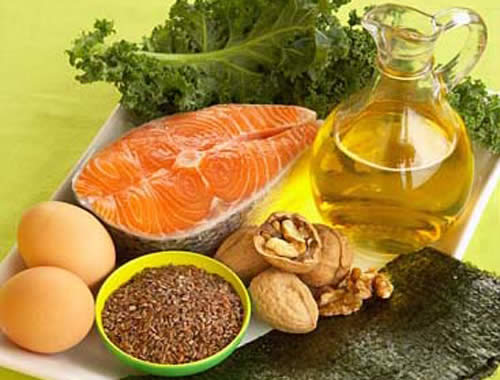
Reduce leptin resistance with a  food combination/paleo style diet that focuses on fresh organic vegetables, raw nuts and seeds, organic eggs , healthy meats and healthy animal fats like EPA and DHA (animal source Omega 3 fat).

Limit dairy milk but organic pesticide free butter and cream and yogurt are ok.

Vitamin D. Supplements vitamin D3 in hemp oil and black cummin seed oil during autumn, winter and spring. In summer make sure at least 40% of your skin is exposed to the sun for at least 1 hour per day.(no sun block)

Vitamin K2 at 50-150 mcg per day in hemp oil.

Dietary control of gut inflammation- reduce grains/pulses/beans and absolutely no refined carbohydrates/sugar/junk food.

Practice intermittent fasting. Fasting is a great way to temporarily decrease the antigenic load in the gut where 85% of the immune activity resides. Fasting shuts down much of our inflammatory processes. In other words give the gut a rest.

Gut inflammation is further inhibited by supplementing L-glutamine and Liquorice(DGL) regularly, especially if you are aware the gut dysfunction is a part of your health history.

In 35 years of practice I rarely find the need for calcium supplementation. If you have a diet rich in whole, healthy foods, please do not supplement calcium. This has been shown to lead to adverse outcomes for reasons discussed above.

Regular intake of liposomal turmeric and resveratrol to regulate inflammatory cytokines, increase IGF-1 and at the same time (in the case of resveratrol) increase bone density and decrease bone resorption.

Increasing neuronal and endothelial nitric oxide synthase (eNOS) and decreasing inducible nitric oxide synthase (iNOS) with  MAF exercise and L-Arginine supplementation. iNOS will contribute to proinflammatory processes and bone loss, whereas eNOS will contribute to increased bone density.

Sleep is critical to total health, recovery and healing. Addressing  emotional and stress issues that interfere with sleep is essential.

Thursday, 26 November 2015

Single Nucleotide Polymorphism.

Single nucleotide polymorphism(SNIP) is a variation on a single nucleotide which may occur at some specific point in the genome. In laymen’s terms, a glitch or hiccup in the genes. Though a more serious example of a SNIP is cystic fibrosis. One could say that the SNIP that contributes to sickle cell anemia is a protective evolutionary change that offers some protection against malaria.


Thankfully most of the SNIP’s are just ‘glitches’ and I’m sure as the science of genetics and especially Epigenetics evolves there will be more understanding of both the seriousness of SNIP’s and how they manifest in day to day life.


An example of a SNIP is, at a specific base position in the human genome, it may be that in most individuals the base C appears there; but in a minority of individuals, the base A appears at that position instead. There is a SNIP at this specific base position, and the two possible nucleotide variations - C or A - are said to be alleles for this base position. Although in this example and most SNIPs so far discovered there are only two different alleles.


The severity of our illness and the way the body overcomes that illness and how it handles the treatment of these illnesses is also genetically and epigenetically predisposed. In other words these SNIP’s contribute to the intensity of our symptoms, or not and how the body heals itself. An example, sickle cell anaemia of how a SNIP develops as a protective mechanism for the body that has been attacked by the Malaria protozoa.
It alters the shape of the red blood cell to become sickle like in shape that contributes to the slowly down of the spread of the malaria protozoa. The downside is all the attendant symptoms of Sickle cell anemia.

A less well known(but not in my practice) manifestation of a SNIP is within the individual’s capability of converting Vitamin B6(Pyridoxine) to its activated cofactor Pyridoxine-5-phosphate. This can express itself epigenetically as high levels of Homocysteine in the blood, chronic fatigue, low attention span, chronic muscular aches and pains, generalised malaise and hormonal and digestive disorders and cardiovascular issues. Thankfully we have a supplementation -P5P in capsule form, that the patient takes, at a higher dose initially then a lower dose latterly for the rest of their lives.

There are variations between human populations, so a SNIP allele that is common in one geographical or ethnic group may be much rarer in another. This is important to take note of when you are working with patients from overseas or from a different ethnic background.

This is a complex and very new science but what is emerging is that we can alter the epigenetic expression of our genome by health living, good diet, lower stress levels, specific nutrition, meditation, relaxation etc...all the natural, holistic approaches that are available to us now.

Activated Vitamin B6 in pregnancy and labour


Vitamin B6(Pyridoxine) is a water soluble vitamin substantially found in fruit, vegetables, grains, chickpeas and meat. It is readily absorbed in the upper small intestine where it is used as a co factor in over a 100 known enzyme reactions in the body.

In the liver, VitaminB6(pyridoxine) is activated by a process of phosphorylation to become activated Vitamin B6.(P5P). This activated coenzyme form goes on to catalyze  a myriad of biochemical reactions.

Pyridoxine 5 phosphate(P5P) is the predominant form of vitB6 in the plasma.

P5P is needed for the proper absorption of  vitamin B12, Magnesium and gastric HCl.

P5P  is an important coenzyme in the metabolism of carbohydrates, fats, and proteins, and the elongation of essential fatty acids. It is a vital ingredient to stop the build up of homocysteine (thus protecting the cardio-vascular system) and is also required for the production of antibodies and red blood cells (in pregnancy you will be making new blood cells).

It participates in the Phase 1 and Phase 2 liver detox pathways. Therefore in morning sickness during pregnancy it is the go to co-factor in helping to ease the extra load on the maternal liver.

In labour, activated VitaminB6 helps release stored glycogen(stored glucose) in the form of glucose within the uterine muscle, making this glucose available to be used in the Krebs cycle for energy consumption. This takes place in the mitochondria of uterine muscle tissue.

Also in labour, skeletal muscle is being used to keep you physically active and help with the labour so P5P is very important in participating in the release of stored glucose to be used as energy in skeletal muscle.

P5P also participates in the formation of noradrenalin.

Noradrenaline is a very important hormone of labour as it stimulates the release of glucose from the liver and increases the maternal heart rate to pump blood around the body (with all that extra glucose/O2/fats/nutrients).

Noradrenaline is essentially getting Mother's brain and body ready for action - the action of labour, so you want this to be at its optimal level.

Noradrenaline mobilizes the break down of brown fat for energy.

In the kidneys, noradrenaline release glucagon which in turn release more glucose from the liver.

In adipose tissue(fat tissue) it breaks down fats to be used as energy within the uterus and skeletal muscle.

In the gut it slows down digestion, blood flow and release of digestive enzymes (you don’t want to be digesting food when going through labour).

You can see from the above simplified list how important this co factor-P5P is, and any reduction in levels could have a significant affect on your well being.

In clinical practice a number of questions arise. If Vitamin B6 is so abundant in so many food groups why do patients need the activated form P5P?

Simply put, they are not converting an abundance of B6 in the diet/body to P5P.
So why is this not happening in some people, especially those that belong to the RED body type (mesomorph)?

The reason we feel is a genetic glitch we call a single nucleotide polymorphism (SNIP for short). In other words, somewhere in their genetic code these individuals have a hiccup that doesn’t allow them to make enough enzymes to convert VitB6 to it's activated form - P5P. This explains why I see so many people that require a supplement of P5P to maintain optimal well being (mainly but not exclusively Red body type/mesomorph).

So lets keep this simple, the Red body types have a genetic glitch (SNIP) that prevents them from fully converting all of the abundant VitB6 in the diet/plasma to P5P, which the body then goes on to use in a myriad of biological reactions.

Therefore, a shortage of P5P may lead to excessive morning sickness as the maternal liver struggles with the extra endogenous toxins.

A shortage of P5P may also lead to a prolonged and uncomfortable labour due to the reduction of available glucose and fats for energy needed by the uterus.

There is not enough P5P to go around to give you a full compliment of noradrenaline, thus your fat stores/glucose stores and O2 levels are not being fully utilized.

All in all this one supplement, P5P in capsule, covers many bases and is very beneficial during all stages of pregnancy and labour.

The other nutrients for labour are Zinc, magnesium and H4 biopterin.

Sunday, 22 November 2015

Barefoot walking and running.

When you were born you chilled out a lot, sleeping, feeding, sleeping, feeding etc...you get the picture?


Then you decided to try and sit...well we know what comes next..the short story is, as soon as you began walking mum and dad put shoes on your feet,and since then you’ve been wearing ill fitting shoes.( As parents let your kids walk bare foot as much as possible and whenever possible).

Here's the thing, the latest ‘craze’ is barefoot running but you’ve encased your feet in shoes,boots,slippers etc  for eons in time so what do you think has happened to your feet?

Yep,they’ve adapted poorly to your ill fitting shoes you’ve been wearing since you where a kid.


Your arches are either too high or too low.

Your ankle joints are either pronated or supinated.

Your toes are too close together.

You’ve developed a buffering layer of fat on the heel bone--because of excessive heel strike.

You haven’t developed enough of a buffering layer of fat over the anterior arch because we don’t walk/run enough on the front foot.

The muscles of the foot have been used in an un-natural way because of the excessive heel strike action.


These same muscles have ‘forgotten’ to ‘save’ kinetic energy and then ‘release’ this kinetic energy on ‘toe off’ or pushing stage of the gait pattern.

Your posture ‘slouches’.

Your pelvis and upper cervical vertebrae will be out of alignment.Putting too much strain on these joints and their ligaments.

The chinese meridian points and gait reflexes that are on the foot are all out of synch because of all of the above.

The layer of shoe leather/rubber/plastic etc acts like a  ‘disconnector’ to the Earth( as does walking on pavements).


So what happens next?


Excuse the pun but we need to make changes,gradually,one step at a time.


Walk barefoot in the house as much as possible.

Walk on grass for 30 minutes at a time to start with. You’re local park is a great venue.

Walk on the beach for 30 minutes to start with and gradually build it up till you can walk comfortable for 60 minutes.

These three simple exercises will slowly and gradually build up the muscles of the foot and lower leg and return you stride pattern to something like natural....it also feels great and enlivening.

The skin on the soles of your feet will thicken as will the natural buffering layer of fat.

The gait reflexes and chinese meridian points will start to normalize and return to their natural state.

Your posture will show healthy signs of improvement.

Whether you want to start bare foot running or not, being on bare feet as much as possible is very healthy for you and very ‘grounding’ mentally/emotionally.Your posture will improve as will your levels of vitality and energy.

For those who want to continue to bare foot running there are a few steps to observe.

1) You will find yourself naturally running on the balls of your feet and it will be almost impossible to run on you heels like you’ve been doing for eons when you wore shoes.
Your running or gait action will noticeably change and may feel unusual to start with but strangely it will also feel ‘normal’. Even paleolithic or primordial. Trust this...its a great feeling and will get better as you return to your ‘roots’ of running naturally.

2) Run gently for 50m then walk for 100m. do this 10 times to start with.No more, but do less if you feel uncomfortable especially if you starting out on sand.

3) Be careful at this stage because you can ‘strain’ muscles that have never been used in this way before even though it is how they are supposed to be used. Wearing ill fitting shoes and poorly design training shoes have ‘retrained’ you walking/running patterns in a very negative way so to undo these harmful patterns change won't happen over night.

4) SLOW is the new FAST. Take you time to build up and feel free to rest between sessions and walk between ‘runs'.


This child is how we all need to be brought up.


That’s all for now. e- mail me for a consult or any further info.

We are all athletes and fat burning as our energy source

Having just finished busy clinic in Edinburgh I'm going to add a few notes about my last blog on Fat burning as our fuel of choice over refined carbohydrates and in general complex carbohydrates.

If you are an active person just choosing to be fit and healthy or wanting to get out of the armchair to improve your health and well being then here are some vital tips.

1) Paramount of importance is to remove all junk food, white refined carbohydrates(cakes/buns/biscuits/chocolate/fizzy drinks), sugar, coffee/tea and additives and preservatives from your diet. Now!!

2) Hay/Food combining diet (see previous blog)with only whole grain brown rice as a carbohydrate. No bread of any kind and no potatoes and chips. No bananas. No pasta of any kind. For the first 6 weeks. After this you may want to introduce some potatoes occasionally but I would keep of All breads. But always stick to the healthy food combinations.

3) No snacks of any kind.

4) Buy a juicer and use it once a day. I recommend you juice two celery sticks, one apple, one carrot,one small beetroot and one orange. This is the minimum but be creative add some nuts and other veg/fruit. Ginger for the boys but not the girls.

5) All food stuffs must be pesticide free-organic

6) All nuts must be purchased in their shells.

7) All seeds stored in dark container and used whole or blend in a coffee grinder just before use.

8)Take a food supplement of turmeric and black cummin seeds once per day..

9) Throw out the weighing scales. A more accurate measurement is to measure your waist line and upper arms to see how much fat you have burnt off from these areas.

10) Purchase a heart monitor for MAF aerobic fat burning exercise(see previous blog on the athlete and fat burning).

11) If you are starting out from the armchair -Walk..for 6 weeks every day on your MAF pulse. 30 minutes for the first week. 35 minutes for the next   week till you reach 60 minutes a day. Walking will be a healthy, gradual start to building and maintaining your aerobic base. Keep a space for walking at least twice a week even if it's to and from work. You can always get a dog!!   Now you can think about running/cycling/gym classes but always with the MAF formula. As your exercises become more intense you will need to have a rest day or a walk day or a mix of both. You know what's best for you when you start to listen to your body.

12) For you folks who already do some kind of sports/ exercise start with MAF formula and incorporate it into your schedule. Also walking is excellent to help with over training and fatigue to rebuild your aerobic base and balance out the excessive unaerobic build up in you body. Start out easy with this new MAF formula as it is different to what you are used to but the rewards are great in a short period of time.

These are just guidelines and a starter to do your own research but please feel free to contact me for any further info.

I offer a service on a one to one basis to taylor make you personnel nutritional and exercise and life style needs to your own  unique situation.

Here is a link to a recently published article on fat burning.

Sunday, 1 November 2015

The Healthy Athlete and Fat burning.


This approach is for all athletes from all levels of competition and all sports especially when a high degree of endurance is called for.

As a species I feel we are endurance orientated and most of us have an in built aerobic system built on using oxygen and fats are our primary energy source.
Sprinters are mostly unaerobic and use low oxygen and glucose as a short burst of power. That does not mean to say that they would not benefit from a  sound aerobic base - they would and they would post better race times and be able to run more races in a season due to having a shorter and healthier recovery time and have an over all sense of good health and well being.

Fat burning as a fuel for us humans is much more efficient than burning carbs.
For every gram of fat we get 9 calories, for every gram of carbohydrate we get 4 calories.
From one molecule of the common saturated fat, palmitic acid we get 130 ATP molecules.
From one molecule of glucose we only get 36 molecules of ATP.
It takes  more O2 to oxidase the fats to release ATP so therefore there is great benefit in building up a solid aerobic base into our fitness levels(this applies to all sports).
Fats also take a longer metabolic pathway and thus a longer time, to release their ATP than carbs. So it's wiser to have a slower longer warm up period (15 to 20 mins) to prepare your body to fat burn.

When you take in carbs your insulin levels spike and stop you from burning fat as a fuel,instead it makes fat and deposits it as adipose tissue in the usual areas.( waistline and thighs).

So it makes sense in the athlete to use fat as the main source of fuel to burn during training and race conditions.

The old approach of 'carbing up' will help replenish glycogen stores(stored glucose) but will diminish the athletes ability to fat burn as his body is getting a clear message from the spiked insulin to store fat not burn it.

Yet we need glucose for fat burning to be more efficient and the only fuel supply for the brain is glucose.

So what's the remedy to this conundrum?

As I've said before in my updated blog we need to reduce significantly our carbohydrate intake and completely avoid all refined and processed carbs ( all junk food) and increase our healthy fat, vegetable  and protein intake.(all pesticide free and organic)
This approach allows the body to use fat as an energy source from its stores and dietary intake.As insulin doesn't spike as no starches are present,the the body will be more efficient at utilising dietary and stored fat. Muscle function will improve laying down more lean muscle bulk as fats and proteins work well together both in the digestive system and muscle cells.

So the individual athlete must over come her past indoctrination about carbs as been the best energy source and that 'carbing up' is the solution to her energy needs.

He must also face up to his addiction to sugar and sweet foodstuffs and start to wean himself of sugar rich foods.
(We must, I repeat must come of all junk/processed foods as paramount to well being)

It means a willingness to try something new and a  'trust process' to allow for this change in approach to take effect and a open mind to observe the results.

It also means 'label reading' all and every packet and canned foodstuffs to make sure they are additives,preservatives and sugars free.(glucose,maltodextrose,corn syrup,sucrose to name a few of the disguises sugar comes under)

It also means cooking and preparing food and finding the time to do so.
I always recommend cooking as it can be therapeutic and a rest from the rigours and stress of training and competition.(and the work place).

So what about the good fats?

Only cook with goose or duck fat or lard.They stay stable during the cooking process and do not go rancid or transform(trans fats). Trans fats are the bad boys- big time!!

Do not cook with vegetable oils as they very quickly change to trans fats or go rancid and therefore very toxic for us. It is my opinion that rancid and trans fats and processed carbohydrates are at the root of many of the endemic diseases of the 21st century.

Eliminate these from our diet and we will go along way to be a far healthier species.

It goes without saying that the athlete who wants to perform at his highest level and recover as speedily as possible must eliminate all trans/rancid fats and processed carbohydrates from her diet.

Raw vegetable fats are very healthy for us.
Coconut oil
Olive oil
Sesame oil
Flax oil
Pumpkin oil
Hemp oil
Pumpkin oil

Nuts and seeds raw(just out of their shells) and put through a blender are an excellent source of healthy oils and protein.

Organic eggs are a super food but cook them soft boiled and poached.(cooking in air oxides the healthy fats) They contain lipases(fat reducing enzymes) alongside good fats and proteins. They also contain Vit K2 that helps make osteocalcin that takes calcium from blood and atherosclerotic plaques and drops it into our bones, teeth and nails.

There is a method to eating that maximises the goodness we get from our foods and that is the Hay diet or food combining diet. Simply put,you separate proteins from starches at any given meal, with most vegetables going with well with either proteins or starches.This is a ' must' on so many fronts for good health.The benefits are potent and long lasting and quite easy to implement.

In other words proteins and fats are digested in one system and starches in another system. A bit like putting petrol into your petrol engine and diesel into your diesel engine. You wouldn't put petrol into you diesel engine? So we must learn not to put proteins into our starch digestive system and vice versa.(see food combining blog).

Healthy Starches.

Whole grain organic brown rice
Sweet potatoes

Unhealthy Starches.(all cause an insulin spike)

Potatoes.
Pasta.
Bread/cakes/sweets
Refined sugars of all kinds
fizzy drinks of all kinds
Sports drinks of all kinds


Training on your maximum heart rate(beats per minute-bpm) to burn fat.

For all athletes from all levels and background a change from using glucose as the primary energy source to utilising dietary and body fat as an energy source comes with a change in how you train.

How you train will change your metabolism from excessive glucose intake which causes the insulin 'spike' to fat burning as its primary source of energy production i.e. beta oxidation of fats in the mitochondria so they enter the Krebs cycle as Acetyl CoA

This requires the use of a pulse monitor, to measure keeping you, too your designated maximum aerobic pulse rate over a set distance and observing the change in time.

Initially this means you will train slower to get faster- slow is the new fast. There will be noticeable results in around 2 weeks and by the 4th week you will be in the grove of - slow is the new fast. You will have a feeling of well being and generally have more energy as you body adapts to the dietary change and the new approach of training on the pulse(beats per minute).

 You  will notice that you speed up and you will have to put more effort into maintaining your maximum aerobic pulse rate.
In other words, at the same pulse rate you will take a shorter time to cover the same training distance.

Finding your maximin aerobic rate- beats per minute.

This is the 180 formula developed by a colleague of mine Dr Phil Maffetone-the MAF formula.

The MAF formula.

Take 180 minus your age is your maximum aerobic rate. When training you don't go above this level and you seek to maintain this level for the duration of you training,meaning you don't go under this level.

So a 35 y.o. runner's  maximium heart rate according to the MAF formula would be

180 minus 35 =145 beats per minute. So he would warm up for 15 to 20 minutes till his heart rate was 145 bpm and maintain that for 30 mins with a cool down for 10 minutes.

One of the key features in the MAF formula is that you slowly warm up, this is very important as it reduces the anaerobic, hormonal, heart, circulation stress and gently brings in fat burning as a fuel while not exhausting glycogen stores, thus keeping them for that last anaerobic energy burst to the winning line-the 'kick'.

A 15 to 20 minute warm up at a slow gentle pace to reach your max aerobic pulse rate maintaining this for 30 minutes then a warm down for 10 minutes. As you improve and your body adapts to the new changes you will want to stay at you're  max aerobic level for much longer.

The warm down is also important so as not to stress the body any further.

I would also say that if you are a regular athlete/sports person at whatever level then you could  use the formula as-
180 minus your age plus 5.

For example if you regularly exercised for a number of years and are not overstressed from your training schedule then you could add on an extra 5 beats per min. to your MAF formula.  e.g. a 35 y.o. female triathlete MAF pulse per min would be
              180 minus 35 =145 +5 =150
so her 15 to 20 minute warm up would take her up to 150 beats per minute.She would stay at this level for a minimum of 45minutes then take 10 minutes to warm down.
Depending on the athletes ability and sport this max heart rate level could be maintained for longer e.g. 60/90/120 minutes.

I would also add that if you have not done any exercise for a number of years and your ‘getting on ‘ a bit then you would subtract 5.

For example if John at 55 had not played any sport since college I would put his MAF formula as  180 minus 55 =125 minus 5 = 120.
So John would start with a 20 minute warm up till he reached 120 bpm then keep that rate for 30 minutes with a 10 minute warm down. He could be jogging/cycling/swimming.

I offer a service which would taylor make your MAF to best suit your individual level of fitness and goals.This would also include a full AK evaluation of your nutritional/dietary needs and treatment of any injuries to enhance your performance and sense of well being.

Cryotherapy.

You may have seen that most of the top level dance companies/football clubs/rugby clubs have ice baths to help reduce inflammation in the musculoskeletal system.
They are invaluable tool to aid recovery but what they don’t realise is that they aid fat burning.
We all have a small amount of ' brown fat' situated at the under arms(axilla) and at the  back of the neck. The purpose of brown fat is help metabolise our fat stores to burn as calories. This is stimulated by cold/plunge baths or just shower these areas with cold water after your workout.

Here is a recently published article on fat burning

Tuesday, 22 April 2014

The dangers of margerine


Polyunsaturated margarine became a major part of the Western diet and had overtaken butter in popularity in the mid-20th century. Despite their best efforts, the margarine lobby has failed to convince most people that their synthetic concoctions are healthy. So what is not obvious to most of the people who consume it? The manufacturing process of course, which is very similar to the way plastic is produced.


Did you know that numerous types of margarine carry the approved recommendations and seal of agencies that also promote cardiovascular health, such as heart and stroke foundations? 


Manufacturing Process

.
The basic method of making margarine today consists of emulsifying a blend of vegetable oils and fats, which can be modified using fractionation, interesterification, and/or hydrogenation of plant fats, chilling the mixture to solidify it and working it to improve the texture. Those fats that are liquid at room temperature are oils. 

The oils are hydrogenated by passing hydrogen through the oil in the presence of a nickel catalyst. The addition of hydrogen effectively increases the melting point of the oil and thus "hardening" it. Margarines made in this way contain hydrogenated fat. If some of the chemical bonds aren't hydrogenated during the process, they will still be present in the final margarine in molecules of trans fats the consumption of which has been shown to be a risk factor for cardiovascular disease. 


To boost its health profile, modern margarines are making their products from wide variety of animal or vegetable fats, mixed with skim milk, and emulsifiers, such as soy lecithin to help disperse the water phase evenly throughout the oil, and preservatives are also commonly added.

The margarine industry has also taken to promoting the fact it's low in saturated fat, a thinly veiled jab at butter. 
But growing evidence is now firmly establishing that saturated fat may not be a problem at all. A false interpretation of scientific studies has led to millions being "over-medicated" with statin drugs due to the proliferation of myths in the medical community regarding the role of saturated fat in heart disease.


Actually butter contains many nutrients that protect us from heart disease. First among these is vitamin A which is needed for the health of the thyroid and adrenal glands, both of which play a role in maintaining the proper functioning of the heart and cardiovascular system. Abnormalities of the heart and larger blood vessels occur in babies born to vitamin A deficient mothers. Butter was and is still is recognized by many as the most easily absorbed source of vitamin A.

Butter contains lecithin, a substance that assists in the proper assimilation and metabolism of cholesterol and other fat constituents.
Butter also contains a number of anti-oxidants that protect against the kind of free radical damage that weakens the arteries. Vitamin A and vitamin E found in butter both play a strong anti-oxidant role. Butter is a very rich source of selenium, a vital anti-oxidant--containing more per gram than herring or wheat germ.

Why You Should Avoid Margarine, Shortening and Spreads

There are a myriad of unhealthy components to margarine and other butter imposters, including:
Trans fats: These unnatural fats in margarine, shortenings and spreads are formed during the process of hydrogenation, which turns liquid vegetable oils into a solid fat

Trans fats contribute to heart disease, cancer, bone problems, hormonal imbalance and skin disease; infertility, difficulties in pregnancy and problems with lactation; and low birth weight, growth problems and learning disabilities in children.
A U.S. government panel of scientists determined that man-made trans fats are unsafe at any level. (Small amounts of natural trans fats occur in butter and other animal fats, but these are not harmful.)

Free radicals: Free radicals and other toxic breakdown products are the result of high temperature industrial processing of vegetable oils. They contribute to numerous health problems, including cancer and heart disease.

Synthetic vitamins: Synthetic vitamin A and other vitamins are added to margarine and spreads. These often have an opposite (and detrimental) effect compared to the natural vitamins in butter.

Emulsifiers and preservatives: Numerous additives of questionable safety are added to margarines and spreads. Most vegetable shortening is stabilized with preservatives like BHT.
Hexane and other solvents: Used in the extraction process, these industrial chemicals can have toxic effects.

Bleach: The natural color of partially hydrogenated vegetable oil is grey so manufacturers bleach it to make it white. Yellow coloring is then added to margarine and spreads.
Artificial flavors: These help mask the terrible taste and odor of partially hydrogenated oils, and provide a fake butter taste.

Mono- and di-glycerides: These contain trans fats that manufacturers do not have to list on the label. They are used in high amounts in so-called "low-trans" spreads.

Soy protein isolate: This highly processed powder is added to "low-trans" spreads to give them body. It can contribute to thyroid dysfunction, digestive disorders and many other health problems.

Sterols: Often added to spreads to give them cholesterol-lowering qualities, these estrogen compounds can cause endocrine problems; in animals these sterols contribute to sexual inversion.

As you can see we must avoid margarine at all times.

I recommend a light scraping of organic butter on your bread/toast. Be careful  when cooking with butter. When it turns brown that means it has oxidised and has become toxic.


Saturday, 5 April 2014


                                      Music as a healer. 

                           Analogue sound recordings versus digital.

Through eons of time, music, song and chant have always been used to heal.Music is one of the great healers, and throughout recorded history the shaman, the priests, the Greeks, the Hebrews and all the indigenous peoples of the world have recognised the deep healing benefits of music, chant, and song.

 Since the advent of computers and binary language, music has been recorded in binary form or digital eg.01010011010, a series of ones and zeros.

Those of us that can remember vinyls,turntables,etc music and song was recorded in an analogue format.Analogue sound is recorded in a wave form onto vinyl or magnetic tape.To record it onto a CD or DVD, it is converted into binary language i.e. digitalized.
 It is in this process of digitalization that something is ‘lost.’

 Over a number of years I’ve when working with musicians they say something is ‘missing’ in a digitalized recording.They use phrases like “a depth is lost”,”a relaxing quality is missing”,’a warmth is lost”,digital recordings are “cold” “empty” “a richness is missing.”

Children are especially aware of this, they know instinctively what’s “good” for them.(Sadly there is a whole generation of children/young adults who have never experienced analogue sound, having only listened to digitalized sound).

As a Chiropractor and Applied Kinesiologist(AK) I use a very subtle form of the standard AK muscle test to evaluate the neural network and also  the Chi energy that runs through the Chinese meridian system.

This is the system of evaluation I use to determine the benefits or not of digital/analogue sound.The muscle would show to be inhibited(“weak”) if the recorded music was detrimental to the listener.
Sound is not just heard by the ears as music, it is also”felt”by the body, via the Chinese meridian system.For example, if you listened to an analogue sound recording of a Beethoven symphony (a composer of deep love and compassion) conducted by Furtwangler(a deeply loving human being) it will immediately lift up your Chi energy, de-stress the meridian and neurological systems and you will feel more content and relaxed.It will be an excellent therapy for you, as music should be.Play a digitalized recording of the same music and it will not have the same beneficial affect!
Sound engineers are aware of this problem and have identified it in the pulse code modulation(PCM).One for the more technical among you!

I know its not the answer to replace all our CD’s for vinyl, yet all is not lost.I have found it of therapeutic value to use rose quartz crystals, air ionisers and green plants around tv sets, cd players etc.Singing along to the music helps.Making your own music, take singing lessons, learn to play a musical instrument all are of great benefit in counter acting modern stress. 

The above graph illustrates the difference between analogue sound recordings and digital sound recordings. The red line is a waveform of analogue and the angular,sharp,box like edges are the digital recordings.

Wednesday, 19 February 2014

Michel Odent on "love cocktails" in birth


Michel Odent wrote a wonderful book on childbirth "the violence of birth". It is still as valuable today as when it was first published all those years ago.

AK and Holistic approaches take this all to a higher level and with great success. Presently due to a number of enviromental factors/diet/poor nutrition and stress most women are defficient in progesterone and oxytocin and this leads to difficulty in concieving and difficult labours with low weight neonates and the broadspectrum of ADHD/Autism.

The approaches I use make sure all the hormones are at optimimul levels correcting any defficiences and detoxifying any body toxins we find, before conception and then monitoring the hormone levels and spinal and pelvic alignments throughout the gestation period. We are very much in favour of natural births at home in a quite peaceful space surounded by loved ones.

Listen to this man carefully as he has decades of experience with natural childbirth.

Monday, 3 February 2014

Birth Trauma - An Holistic Approach

Here is a short video on my approach to birth trauma and how I correct it using Applied Kinesiology techniques. I'm interviewed by a client of mine who suffered severe physical trauma to the cranium and upper neck at birth, who in later life developed debilitating headaches/migraine and neck pain.All succesful treated by AK, Chiropractic and nutrition. 

Sunday, 2 February 2014

Ear Infections in Children - Otitis Media(OM).


OM is extremely common in pediatric patients; in fact, it is the most common reason for pediatric (up to 15 years of age) primary care visits. This is largely due to the anatomy of the pediatric eustachian tube. Studies have found no bacterial etiology in aproximately 60% of OM cases. However, the remaining of OM patients exhibit bacterial pathogens (haemophilus influenza, Streptococcus pneumonia, and Brahnamella catarrhalis)
If Bacterial OM--monitor closely for signs of complication. Please note these are very rare!! T.M. rupture, meningitis, cranial nerve palsies, abscess, lateral sinus thrombosis.

1. Dietary measures
*diet high in bioflavonoids helps decrease allergic and inflammatory responses (like mucous buildup and subsequent plugging of normal anatomic drainage).
allergy rotation or elimination diets are important in managing chronic OM presentations. The most common food allergies include wheat, cow's milk, soy, corn, and strawberries.
*recommended diet: high in fresh vegetables, beans, lean meats, and fish. Avoid mucous forming sources, such as wheat, dairy, and orange juice.
*Probiotics modulate immune function and decrease allergic response. Probiotics given within the first year of life are preventive and can significantly decrease the number of ear infections during childhood.

2. Lifestyle changes
*parental or caregiver smoking is strongly associated with increased risk of upper respiratory conditions and OM in children
*pacifier use and thumb sucking is associated with increased risk of upper respiratory tract infections and OM

3. Botanical medicine 
*Matricaria chamomila/recutita: a safe and effective antiviral, anti-inflammatory, and vulnerary that is used extensively in the treatment of OM. Strong infusions are considered excellent first-line approaches for acute or chronic OM. Chamomile is contraindicated for patients who are allergic to asters and chrysanthemums.
*Echinacea angustifolia/purpurea: well-studied botanical remedies for the prevention and treatment of colds and flue. Also safe and effective in the treatment of both acute and serous OM. Glycerinates are available for infants. Echinacea is contraindicated for patients with autimmune disease.
*Zingiber officinalis: also indicated in OM accompanying a cold with clear and watery mucous. Ginger is best combined with other botanicals in tea or syrup


4.Homeopathy
The following homeopathic remedies are most commonly chosen for acute otitis media:
*Ferrum Phosphoricum: the most commonly used remedy for early OM. Indication include gradual onset of symptoms, flushed face, dislike of noise or stimulation, and desire to lie still.
*Belladona: recommended in right ear OM, flushed face, fever, restlessness, scant thirst, and sensitivity to noise or light.
*Chamomilia: indicated for Om in irritable and cranky children who cannot be appeased for a long time; one cheek is red while other is pale; and aggravation by heat
*Kali muriaticum: recommended when patients experience fullness and congestion in the ear, impaired hearing, and popping or crackiling sounds on swallowing. This remedy is commonly used to clear the eustachian tubes when serous fluid persists after acute OM.
*Pulsatilla: usually used for earaches that are accompanied with white nasal discharge, thirstlessness, and throbbing pain in the ear that is aggravated by heat. Also indicated in the treatment of OM when the child exhibits changing moods (clingy, weepy, fidgety) with a need to be consoled.

5. Applied Kinesiology to treat birth injuries and Chiropractic for very gentle re-alignment of the upper cervicals.

6. Pain Relief
*Ear oil is a traditional and effective method of providing comfort for the pediatric OM patient (and their parents) and in many cases will be enough of an intervention to alleviate the condition altogether. Seek traditional or proprietary ear oil brands contaiing Olive oil with Mullenin (Verbascum thapsus), St. John's Wort (Hypericum perforatum), Calendula (Calendula officinalis), Garlic (Allium sativa) extracts. Hyperosmotic glycerol "glycerine USP" ear drops, will draw fluid through the semi-permeable tympanic membrane (ear drum) and provide almost instant pain relief. 

7. Clinical Nutrition
  • Omega 3-6-9, selenium, Vitamin C complex, Echinacea, Zinc

As always,it is very important to remember that your child is unique and I will treat him/her as a whole being and the therapies are taylor made for him.
In the past I’ve had excellent results in treating these children, especially if the ear infection is chronic and does not clear up with antibiotics.