Showing posts with label food combining. Show all posts

Wednesday, 30 December 2015

Bone strength and function.


I know its popular, but taking calcium supplements is NOT one of them.

This is the time of year to care for bone health

Bone health is quickly becoming a concern for more and more people. Of course, with our aging  population of baby boomers, the number of people who will suffer the brittle bone disease of osteoporosis is already  skyrocketing, making hip replacements and orthopedic surgery a very busy and expensive profession. And just like everything else in healthcare, bone health is becoming less black and white. People are suffering more and more with little hope for healthy options to prevent the high cost of diseases like osteoporosis.
It is no longer simply about adequate calcium ingestion (actually, it never was; that was just successful marketing by the dairy industry). We’ve limited our attention to bone health to include only osteoporosis and the reduction of bone density. If you think the only people who have to consider bone health are menopausal women, you are sadly mistaken. New research is opening our eyes to more of what impacts bone health and total health. Our bones are incredibly complex organs, just as complicated as any other system in the body.

A recurring theme in my journey as a natural health care facilitator is the fact that we must expand our knowledge of how our body expresses health. This is because we live in a time where the number of environmental factors that interfere with us living a healthy life has reached a point of critical concern.

Our bones are responsible for so many seemingly unrelated functions. They provide critical feedback to our brain and nervous system, they help to regulate scores of hormones, and they are factories for our immune and blood cells. Therefore it stands to reason that diseases of bone like osteoporosis have consequences beyond brittle bones.

Bone health begins at birth and never stops until you die. Waiting until you are 60 years old and diagnosed with low bone density before you take action or consider bone health is like waiting for your first heart attack before you consider your heart health.
Bone health contributes to many things, from sports injuries in the professional athletes to the folks who just want to work out to be fit and healthy. Some examples:
Scoliosis
Chronic joint pain
Shin splints
Sever’s disorder of the heel and osgood schlatters of the knee (apophysitis)
Recurring injuries

Here are some little known facts about bone health.

Hormones that regulate energy production and  hunger, such as leptin, play a major role in bone health. Leptin resistance is a condition of abnormal energy production and storage that is seen in our modern world, too much refined carbohydrates, fizzy drinks, sweets, sugar and even so called ‘healthy’ complex carbs.

Decreased progesterone  and high oestrogen levels in all ages contributes to bone loss.(high levels of oestrogenic compounds from the petrochemical industry  in our atmosphere ‘mimics’ oestrogen in the body, raising oestrogen and lowering progesterone.) This is often not considered until menopause, but progesterone levels can actually be negatively impacted throughout your life.

DNA transcription factors found in the gut and impacted by diet directly impact the differentiation of cells in our bone to become osteoblasts and osteoclasts. The cells responsible for laying down new bone and remodeling bone. Linking gut health and bone health.

Bone health is directly impacted by the interplay of several key hormones, all of which requires LDL cholesterol for their production.  There is a link between taking statin drugs and poor bone health.

Osteocalcin is a hormone produced by our osteoblasts and is involved in creating insulin sensitivity. Insulin sensitivity is the opposite of the pre-diabetic state of insulin resistance. Osteocalcin also helps us to make more testosterone, which improves bone health in both men and women.

Vitamin K2 ( found in pesticide free/organic eggs)and the hormone osteocalcin together are involved with where and how calcium can be deposited in bone, teeth and even arteries. K2 is deficient in our culture due to its loss when processing food. When there is a deficiency of vitamin K2, calcium loses its ability to go where it is needed and may result in calcium being deposited where it is not needed (plaque formation in the arteries) and result in cardio vascular disease.

Osteocalcin needs to be activated by a process of adding a carboxyl group. Carboxylation of osteocalcin is inhibited by insulin resistance and diabetes.(high carbohydrate diet.) This explains the increased risk of osteoporosis for diabetics. The interplay of vitamin K2, blood sugar/insulin regulation and osteocalcin carboxylation make it difficult to do a simple blood test. A clinical picture and AK testing will give us a healthy insight into the risk factors of poor bone health.

Interestingly calcium can also be deposited in teeth as plaque. This may be a better indication of vitamin K2 deficiency and poor activation of osteocalcin.

Vitamin K2 is present in unprocessed foods. Organic green leafy vegetables have vitamin K2, but produce that is exposed to pesticides is depleted of vitamin K2. Vitamin K2 is indirectly produced in our bodies by the bacteria present in our gut, if our gut is healthy. Poor gut health and microbiome can be another indicator of poor Vitamin K2 levels.

Exercise can be helpful, especially weight bearing and MAF aerobic training,  but the positive effect of exercise must be supported by a low carb, higher fat/protein/fruit/veg diet.

Poor bone health does not cause diseases like atherosclerosis, diabetes, heart valve disease, immune challenges, and sleeping disorders. Rather, poor bone density and health are valuable indicators for a dramatically increased risk of all these conditions.

The best steps you can take to begin to improve bone health.

Reduce leptin resistance with a  food combination/paleo style diet that focuses on fresh organic vegetables, raw nuts and seeds, organic eggs , healthy meats and healthy animal fats like EPA and DHA (animal source Omega 3 fat).

Limit dairy milk but organic pesticide free butter and cream and yogurt are ok.

Vitamin D. Supplements vitamin D3 in hemp oil and black cummin seed oil during autumn, winter and spring. In summer make sure at least 40% of your skin is exposed to the sun for at least 1 hour per day.(no sun block)

Vitamin K2 at 50-150 mcg per day in hemp oil.

Dietary control of gut inflammation- reduce grains/pulses/beans and absolutely no refined carbohydrates/sugar/junk food.

Practice intermittent fasting. Fasting is a great way to temporarily decrease the antigenic load in the gut where 85% of the immune activity resides. Fasting shuts down much of our inflammatory processes. In other words give the gut a rest.

Gut inflammation is further inhibited by supplementing L-glutamine and Liquorice(DGL) regularly, especially if you are aware the gut dysfunction is a part of your health history.

In 35 years of practice I rarely find the need for calcium supplementation. If you have a diet rich in whole, healthy foods, please do not supplement calcium. This has been shown to lead to adverse outcomes for reasons discussed above.

Regular intake of liposomal turmeric and resveratrol to regulate inflammatory cytokines, increase IGF-1 and at the same time (in the case of resveratrol) increase bone density and decrease bone resorption.

Increasing neuronal and endothelial nitric oxide synthase (eNOS) and decreasing inducible nitric oxide synthase (iNOS) with  MAF exercise and L-Arginine supplementation. iNOS will contribute to proinflammatory processes and bone loss, whereas eNOS will contribute to increased bone density.

Sleep is critical to total health, recovery and healing. Addressing  emotional and stress issues that interfere with sleep is essential.

Monday, 18 February 2013

Sports Nutrition Part Two: A Step By Step Diet For Training And Competition


In part one of this series of posts on sports nutrition, "A Holistic Diet For Optimum Health And Performance", I talked about some of the 'super foods' that are a 'must' for sports people. I also touched on the need for sports people to ensure that they have sufficient fat in their diet and explained the fundamentals of 'food combining', which ensures optimum digestion of proteins and carbohydrates by eating them separately from each other.

In this post I'm going to talk about the diet I recommend for sports people in more detail, as well as give a step by step guide on how best to nourish yourself for optimum performance and recovery, before, during and after an intense exercise session such as hard training or a competition. 'Food Combining' is fundamental to this approach so you may wish to visit my first sports nutrition post if this is unfamiliar to you.


THE DIET


The diet I recommend for sports people is based on the consumption of nutrient rich, organic foods, eaten in appropriate combinations for optimum digestion and utilisation (according to the principles of food combining).

Essentially you're eating two carb meals to one protein meal a day. At each meal you can eat as much as you like.

When you first start this diet you will feel hungry at times but that will pass.

Also, you will lose upto 5lbs in weight... this is a healthy weight loss as it is the 'bad' fat stores that surround the organs that the body shifts.

Within 5 days you will notice a healthy change. Usually the first thing everybody notices is that their thinking is clearer, they feel less bloated and in general have more energy and a sense of overall well being.

A change of diet is not always easy at first but as you get more comfortable with this new approach it will become automatic thinking to choose protein meals and carb meals and you will enjoy the benefits.


BREAKFAST


On arising drink a glass of water followed by your blended juice.


One hour later breakfast would be a carb meal but no fruit juice, for example:
                      
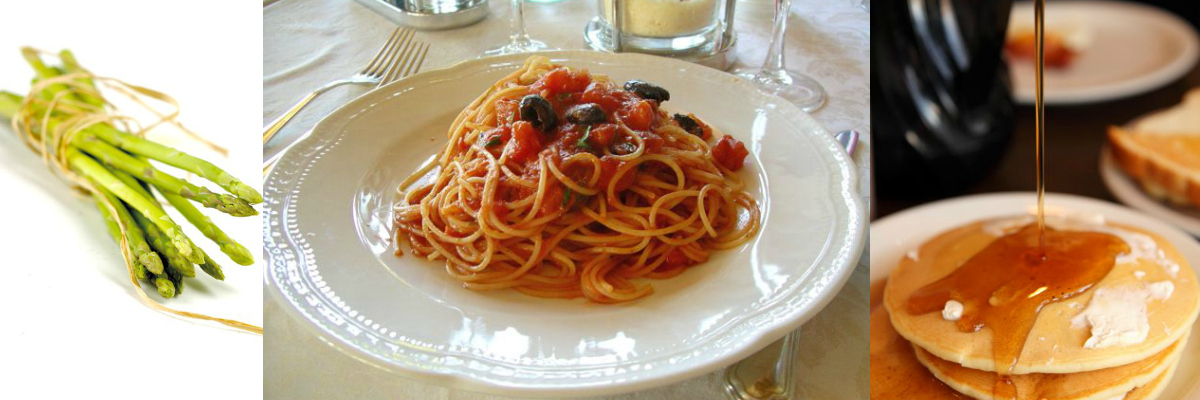
                      pancakes with  and honey/maple syrup.
                      porridge with  and honey
                      muesli with a little goats milk (goats milk is far easier to digest than dairy)

                      toast and honey

                      cornbread with honey


Breakfast would be 3 hours before the next session.

If you train on arising (a habit I would seriously discourage - remember, first and foremost you are a human being and pre-dawn training goes against the natural bio-rhythms of the body), then a small snack of a handful of grapes or a couple of small squares of spelt/cornbread with honey with some water.


LUNCH


Lunch, if it was 3 hours before the next session/match, would be eggs - poached or boiled - eggs cooked exposed to air (as with an omelette or fried eggs) are oxidised and loose a lot of their nutritional value. Get used to eggs they are a marvelous source of tri-glycerides-a healthy fat. They are also easily digested well within the 3 hours before a match/session.

Lunch could also be avocado or hummous salad with rice/bread.


DINNER


This is probably post match/intensive session so see below 'after the competition'.


On rest days you can swap around your meals... I have found that a carb breakfast, protein lunch then carb dinner works well. Even on a rest day you can take your protein drink supplement 1/2 hour prior to your evening meal.


Optimum Nutrition For High Intensity Training/ Competition


Let me take you through this step by step.

BEFORE

Sometimes you can feel hungry before a session - at these times I suggest some light toast/bread with honey which will be digested quickly so food is not lying in the digestive tract fermenting/putrifying while you're running around.

No heavy proteins before a heavytraining session or competition. (Protein meals come AFTER a vigorous workout)


DURING

Your body can manage the first hour well without any water/juice.

Moving into the next hour, sips of water alongside sips of juice (1/3rd pressed apple juice with 2/3rds water or 1/3rd grape juice with 2/3rds water). NOT orange juice.

You may add a teaspoonful of Manuka honey and a small pinch of salt if the session is reaching the 2 hour mark.

NEVER drink off the shelf fizzy drinks or 're-hydration' drinks as they are full of 'E' numbers, glucose, aspartamate etc... in other words, junk.

If you are a tennis player/cyclist/all day tournament you will need to eat some solid foods.

DO NOT eat bananas, they are too high in potassium.

DO NOT eat these off the shelf sports bars.They are a mixture of carbs and proteins and refined sugars/glucose. Too much for the digestive system to manage while the body and mind are in 'competing' mode.

You might prepare small squares of spelt bread with honey before hand (if you are gluten intolerant then cornbread is a good alternative).


AFTER


You've just had a high end training session/match/meet/game, you want your body to recover to its maximium potential. You've just put a huge ammont of effort and dedication into your session and now is the time to maximize that commitment.


Immediately After Your Intense Exercise


When you finish your competition then WATER...WATER..WATER.. Don't gulp this down but drink it steadily for 30 minutes while you warm down.

When you have been exercising, most of your blood is in your muscle tissue, skin (heat loss) and in your brain. Your cardiovascular/hormonal (adrenals) systems need time to settledown and move gently into the recovery phase (nor-adrenaline), so don't go eating a load of food straight away.


1/2 An Hour To An Hour After Intense Exercise

Over the next 30 minutes or so you can drink 2/3rds water 1/3rd pressed apple or grape juice with a pinch of salt or 1/2 capsule of magnesium citrate. 

NONE of these fizzy drinks that are full of E-numbers and additives, preservatives glucose/dextrose... Honour your body!!


1 Hour After Intense Exercise

By this time you've warmed down, showered and are feeling more relaxed as the recovery hormone nor-adrenaline kicks in.

When you feel ready, around now is the time to have a quality protein drink mixed with  pressed apple or grape juice. The protein drink needs to be brown rice proteins and natural flavours. Thats all!!! No other ingredients like digestive enzymes, additives, aspartamate or creatine... the list goes on and its quite shocking what the mainstream manufacturers put in, never mind the intensive marketing strategies to get you to buy their product.

If you can tolerate dairy then there are some products that contain whey and that's fine.

At this stage your body is hydrating and getting healthy fruit sugars and the appropriate amino acids to replenish and repair itself.

If you take nutritional supplements now is the time, or you can take them with your meal. (Sports nutrition is a vast subject, so I shall do another post about it. It also needs to be taylor made to your unique needs and sport which is something I do with my clients).

As a general rule I'm uncomfortable with creatine as everyone I've tested reacts in a negative way to it. 


Juice in your juicer    2 celery sticks
                                  2 apples
                                  2 medium carrots
                                  2 oranges
                                  fresh ginger ( about the size of a golf ball)
                                  1/2 teaspoon of Turmuric.


1 - 1/2 Hours After Intense Exercise


Now is the time to have a PROTEIN meal. I know it goes against commonly held beliefs that you need carbs but in the short term there is enough sugars in your fruit drink, soup, veggie drink and vegetables. Its now 1 to 1 1/2 to 2 hours after your competition. You know your body best so when to start eating solid foods is up to you but certainly not before an hour after you finished competing. For me personally its nearer the 1 1/2 hour mark.

Soups are great at this time but no bread with it. 

Any one meat you like with as much of the veggies of your choice.

If you wanted you could have a glass of wine occasionally.

You could also have some goats cheese with an apple or pear.

Or mixed fruit


2-3 Hours After Intense Exercise

Now is the time to rest and recover, to allow the food to digest and the body to assimilate all the vital nutrition. Develop the skill of 'cat napping' to aid recovery and to release human growth hormone.

The key to full repair and regeneration of the musculo-skeletal system is to maximise your protein digestion in the stomach to long and short chain amino acids - then they will go to make up EVERY enzyme system in the body and to make new muscle tissue/ligament tissue/joint/tendon/vertebral disc tissue.

The sugars in the fruit juice and vegatables will help restore carb stores short term but the bulk of this will be replenished by your carb meal.


3 1/2 Hours After your protein meal.


Three and half hours later you can have a carb meal, for example:
                    
                    soup with garlic bread 
                    wholegrain spelt pasta with a veggie sauce
                    potatoes with bean stew
                    veggie curry with rice 


Pudding could be:


                             carrot cake
                             polenta cake
                             cornbread with honey
                             pancakes etc.

You can eat as much as you like as your body is now at  maximium rate of re-building muscle/liver glycogen and fat stores. Keep to natural sugars from grains and fruit as much as possible and keep away from white refined sugar.


A small beer occasionally goes with a carb meal (not before a competition though, alcohol takes 18 hours to leave the body).


1 Day After Intense Exercise

On arising the day after drink a glass of water followed by your blended juice. Breakfast would be a carb meal but no fruit juice, for example:

                      
                      pancakes and honey/maple syrup.
                      porridge with and honey
                      meusli with a little goats milk (goats milk is far easier to digest than dairy)
                      toast and honey
                      cornbread with honey

Manuka honey is best

Breakfast would be 3 hours before the next session.


If you have any questions about the protocol I've laid out here, please feel free to ask them, either in the comments here or by email (starfieldsholistichealth@gmail.com).

All the best in your sporting endeavours.


Monday, 11 February 2013

Sports Nutrition Part One: A Holistic Diet For Optimum Health And Performance


This diet is for all serious sports people whether at club level, national or international level.

Over a  32 year career I've worked with a number of sports men and women from all levels; club, national and international and over a number of sporting disciplines; Rugby, Football, Road Cycling, Golf, Squash, Judo, Karate, Athletics and Tennis.


My approach to the field of sports nutrition, sports diet, sporting performance and sports injuries is that first and foremost you are an unique individual human being living in the 21st century with all the commitments and responsebilities that goes with that. Then, of course, we focus in on your particular sporting endeavor and the unique circumstances around that.


This sports diet will give you all you need to promote quick recovery from an intensive 'session'/competition and also go a long way to enhance your sporting potential.


In other words it will ensure that vital proteins, carbs, fats, vitamins, minerals, amino acids, and micro nutrients are readily available to the body.


As a sportsperson, your diet needs to give you that bit 'extra' to meet the extremes you push the body to. It also needs to help you maximise your sporting potential, increase your performance and promote a healthy recovery.


Food For Sports People


Here is a list of super foods that are a 'must' in every sports persons household:


All your food must be organic and fresh which does mean more home cooking - this is a great hobby to help relax the mind after the stress of a hard training session or competition (as is growning your own vegs in your own garden/allotment).

A must is to purchase a juicer and a recipe book to make a variety of fruit juices/veggy juices and a mixture of both. Have a glass per day. A good time to have your homemade juice is one hour before breakfast.


Also, get used to making vegetable soups with chicken stock... any kind of soup, variety is the spice of life. Soups are neutral and go with either a protien meal or carb meal (an important thing to be aware of when following the 'Hay Diet'/food combining - the next step towards ideal sports nutrition which i will come to shortly).


A Note About Fat


Your training/sports diet must allow for some body fat to be distibuted around the tummy so that when you are training hard your body will convert that fat store to energy (this is why I strongly recommend eggs). Fat is a far better source of energy than carbs and is far less demanding on the body than the high carb diet most athletes have.

Fats are also a very important component of the immune system (how many athletes get colds/flu/glandular fever/chills/run down?!). In my experience endurance athletes are lacking in fat stores to convert into energy while competing. So, ensure you have sufficient heathy fats/oils in your diet in the form of oily fish (plus omega 3 supplement {not omega 6}), avocado, nuts, olive oil and some saturated fat from good quality meat and goats cheese.


The Hay Diet/Food Combining For Sports People


Food Combining is a must for sports people to optimise their health and performance potential.


Here's why.


When you eat a piece of chicken (protein) the tongue 'scans' this and sends a neurological and chemical message telling the brain that this is a protein. The brain then produces a massive acid response in the stomach to aid the protein digestion and keep the meat in the stomach for 3 hours.


When you eat bowl of porridge (carb) a chemical message and neurological message goes to the brain to say 'this is a carb'. The brian then switches off acid production (the exact opposite to protein digestion!) You can imagine how confused the brain gets when you eat a chicken sandwich or beef curry or fish and chips or Sunday roast with potatoes!!

It doesn't make sense to mix carbs and proteins at the same meal. These are food groups that 'fight' each other.

To maximise the breakdown of the protiens in fish/chicken/meat into long and short chain amino acids so the body can re-use them to regenerate muscle/ligament tissue the meat/fish/chicken must be eaten apart from carbs!!!  this is so important in the sports athlete. When you use your musculo-skeletal system to excess, the tired/damaged muscle needs to be replaced as efficiently and effectively as possible which means proteins must be digested in the stomach without the presence of carbs.

Keep PROTEINS and CARBS apart!


The Nuts And Bolts Of Food Combining


Beyond the basic premise of keeping high protein and high carbohydrate foods apart in your diet there are greater complexities to 'food combining' (although just adhering to this one simple rule will make a huge difference to your well being!). The charts below outline the fundamentals and are ideal for printing off and sticking to the fridge door.


Non starchy vegetables go well with both protien and carbs. For example, roast chicken with a pile of roast veggies is fine but no roast potatoes.

Wholegrain rice with a vegetable curry is excellent but you cannot have a beef/chicken curry.


This part of the sports diet is VITAL!!! I cannot impress upon you sports folks enough how important it is to keep proteins and carbs apart. After a vigorous work out your body is desperate for long/short chain amino acids to make every enzyme in the body and to repair the musculo-skeletal system.


Here's another chart.... don't be put off by this, it gets easier...


There is a great deal of information out there on this subject and you may wish to do your own further research. Like any new approach, it can take a while to get your head around but before long it will be second nature.

As every human being is unique the same goes for the athlete and their individual approach to their discipline. This diet is HEALTHY, it is an optimium diet to maximise your recovery and give you the maximum opportunity to compete at your highest level.


Good luck in your endevours and every success.


* Part two of this series of posts for sports people includes a step by step guide to nutrition for optimum performance during and recovery after a high intensity training session or competition.